ClawTeam: Agents That Spawn and Manage Other Agents
One CLI command turns a single goal into an autonomous swarm of specialized LLMs that communicate, delegate, isolate their workspaces with git worktrees, and deliver results with almost no human oversight.
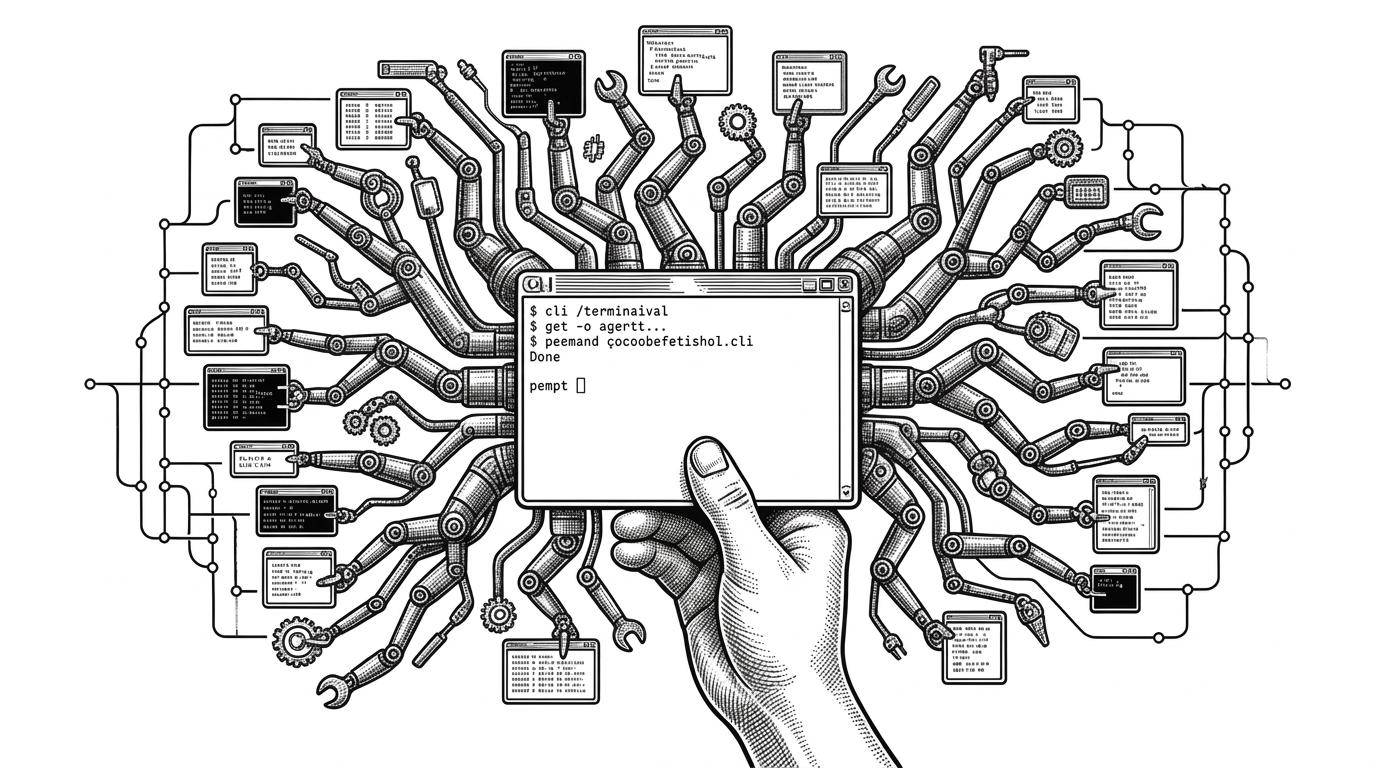
- ClawTeam inverts multi-agent orchestration by letting a single leader LLM autonomously spawn, delegate to, and manage an entire swarm of specialist agents through one CLI tool.
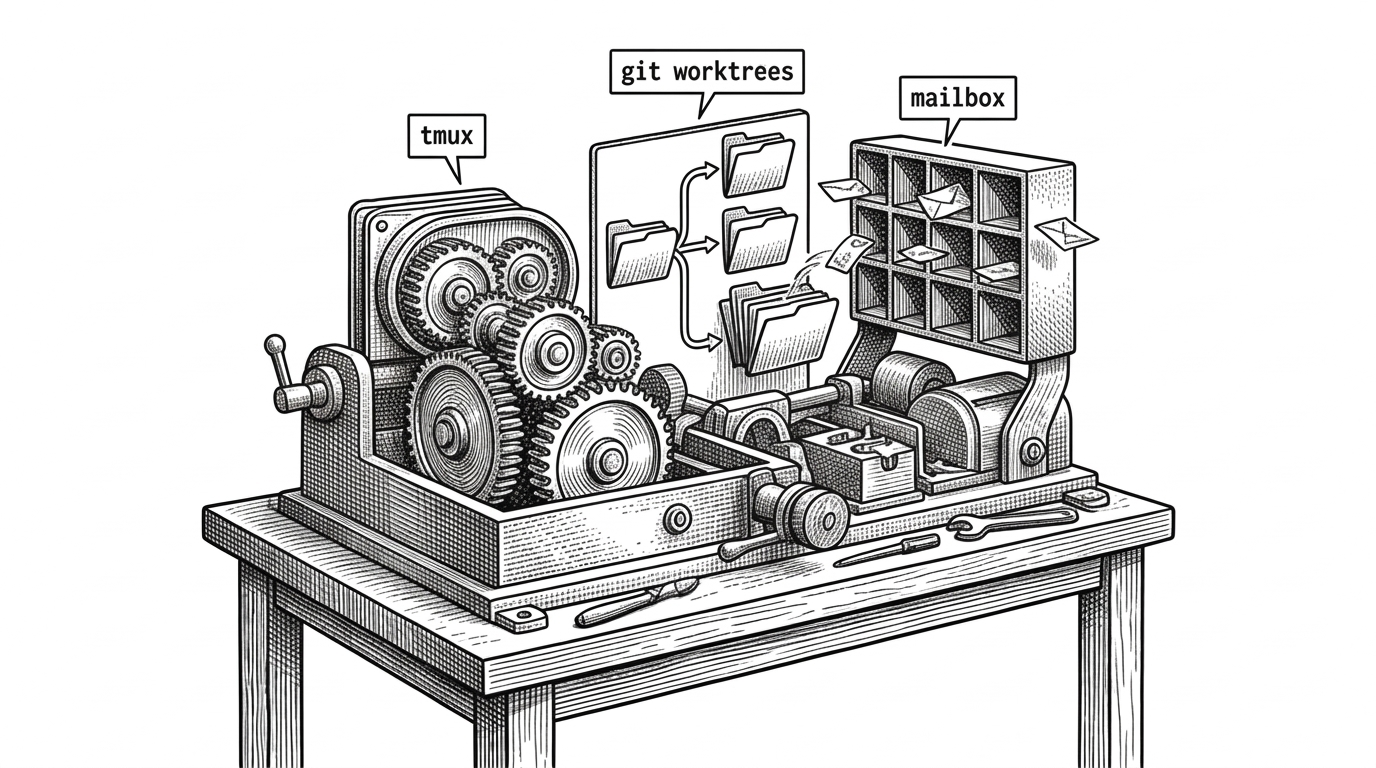
- Agents coordinate using Unix primitives including git worktrees for workspace isolation, tmux for process management, and filesystem mailboxes for communication.
- A leader agent given a high-level goal can autonomously run thousands of experiments across parallel agents and merge results back through git without human intervention.
- ClawTeam requires no databases, containers, or heavy infrastructure, keeping all state in JSON files and making the entire system observable and hackable.
Agents That Run the OS
Most multi-agent frameworks require developers to write the orchestration code. ClawTeam does the opposite.
A single leader LLM receives a high-level goal and access to one CLI tool: clawteam. Using injected prompts that describe the entire coordination protocol, the leader autonomously spawns, delegates to, coordinates, and manages a swarm of specialist agents.
This inversion turns prompt engineering into systems design. The agents themselves become the operating system.
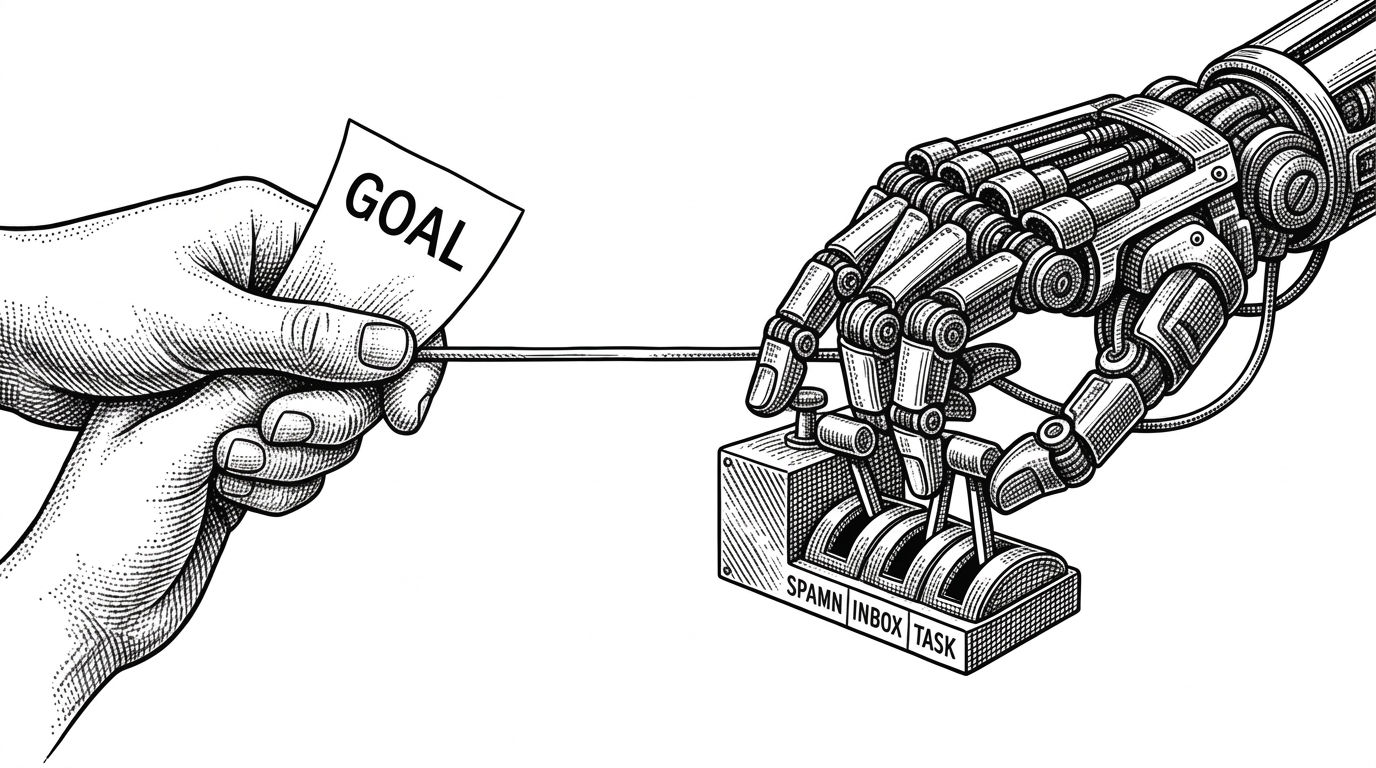
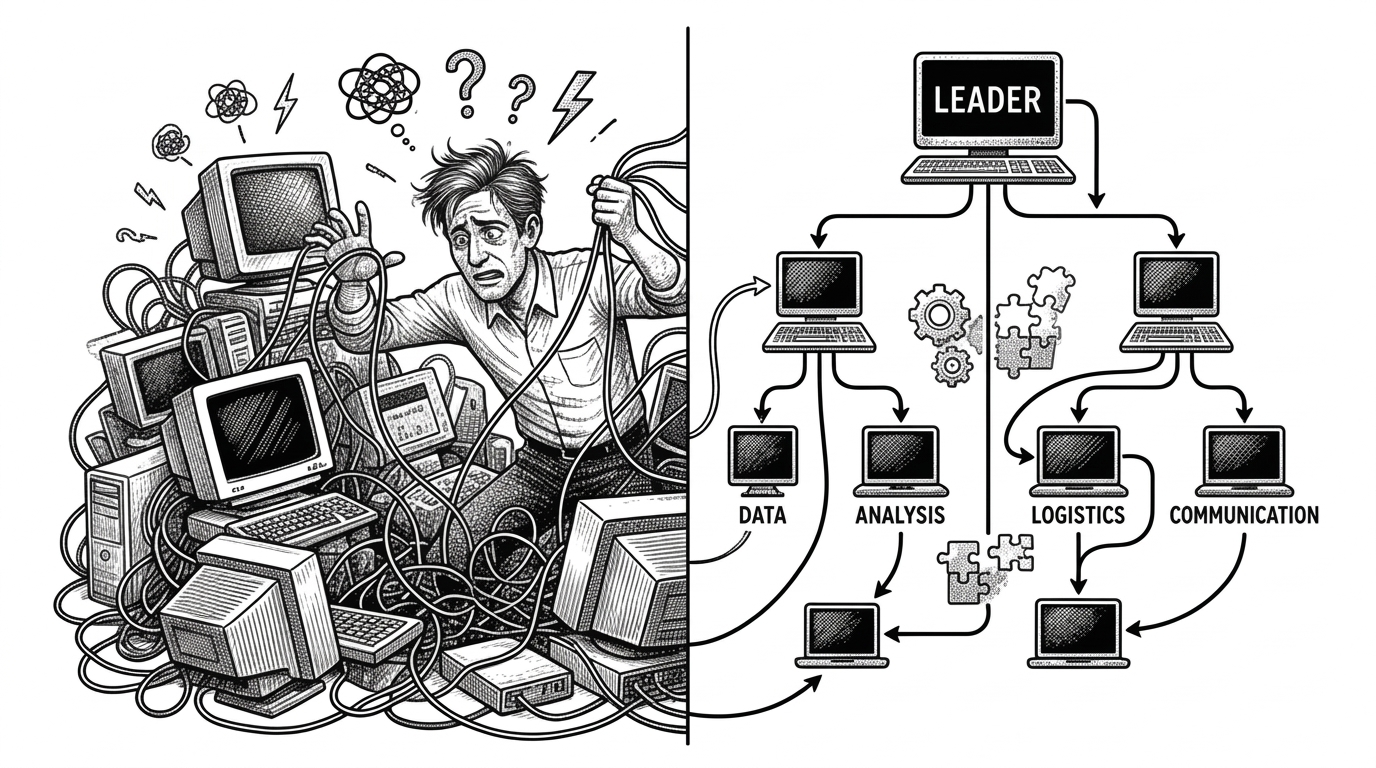
"Current AI agents are powerful — but they work in isolation. When facing complex tasks, you're stuck manually coordinating multiple agents, juggling context, and stitching together fragmented results. What if agents could think and work as a team?"
From One Command to a Living Swarm
The user experience is deceptively simple. You launch a team with a TOML template or a single command, provide a goal, and then mostly watch.
The leader agent plans, spawns specialists (researcher, architect, tester, analyst), assigns tasks with dependencies, and uses inboxes for communication. Results flow back through git merges. A real-time board — either a tiled tmux view or web dashboard — makes the entire swarm observable.
In one documented run, a leader given the goal of optimizing an LLM training setup spawned eight agents, one per H100 GPU. They ran over 2,430 experiments autonomously, improving validation bits-per-byte from 1.044 to 0.977.
The Unix Philosophy for Agents
ClawTeam avoids heavy infrastructure by design. There is no database, no Redis, and no Docker by default. State lives in JSON files under ~/.clawteam/.
Isolation comes from git worktrees: each agent gets its own clean branch of the repository. Process management uses tmux sessions. Communication happens through filesystem mailboxes or optional ZeroMQ. This makes the system remarkably observable and hackable.
# Example hedge-fund.toml template
team_name = "fund-analysis"
goal = "Analyze AAPL, MSFT, NVDA for Q2 2026"

[agents.portfolio-manager]
role = "leader"
responsibility = "Make final investment decisions"

[agents.value-analyst]
role = "specialist"
focus = "value investing metrics"

[agents.risk-manager]
role = "specialist"
focus = "portfolio risk assessment"
How the Coordination Actually Works
The core lives in clawteam/team/ with manager.py, mailbox.py, tasks.py, and plan.py. The spawn layer in clawteam/spawn/ supports tmux and subprocess backends.
When an agent runs clawteam spawn, the system creates a new git worktree, starts a tmux session, injects a rich prompt describing all available commands and team state, and registers the agent identity. Tasks use dependency graphs with locking to prevent race conditions.
Watchers and waiters provide synchronization primitives. Everything remains observable because the underlying tools (tmux, git, files) are visible to both humans and agents.
Real Teams in Action
Pre-built TOML templates make launching sophisticated teams trivial. The hedge-fund template spawns a portfolio manager plus multiple specialized analysts. A full-stack engineering template coordinates architect, backend, frontend, and tester agents with automatic merging.
The autonomous ML research example remains the most compelling demonstration. Inspired by Andrej Karpathy's autoresearch, the swarm ran thousands of experiments in parallel, cross-pollinated findings, and achieved measurable gains with zero human intervention after the initial goal.
ClawTeam vs. the Rest
| Aspect | CrewAI / MetaGPT | OpenAI Swarm | ClawTeam |
|---|---|---|---|
| Orchestration model | Developer-written code or fixed graphs | Lightweight handoff scripts | Agents drive coordination via CLI |
| Infrastructure | Often requires servers or heavy setup | Minimal but limited | Filesystem, tmux, git worktrees only |
| Agent compatibility | Framework-specific agents | Custom agents | Any CLI-based agent |
| Isolation | Usually containers or shared state | Limited | Git worktrees per agent |
| Observability | Framework dashboards | Basic logging | tmux tiles + live kanban board |
| Best for | Structured, repeatable workflows | Simple handoffs | Dynamic research and engineering |
Why This Matters Now
ClawTeam is part of a broader shift toward agent-native operating systems. By treating LLM agents as first-class processes with proper isolation, communication primitives, and observability, it blurs the line between prompt engineering and traditional systems architecture.
The project comes from the Data Intelligence Lab at the University of Hong Kong, led by Assistant Professor Chao Huang with significant contributions from Ph.D. student Jiabin Tang (tjb-tech). It builds on the lab's related work in the OpenClaw and nanobot ecosystem.

"Agents spawn agents. The leader agent calls clawteam spawn to create workers. Each worker gets its own git worktree, tmux window, and identity automatically."
The minimalism is the point. When the entire coordination layer consists of tools that are already visible and debuggable, both humans and agents can understand and improve the system. That may prove more valuable than any amount of additional abstraction.