666ghj/MiroFish: How One College Student Built a 24k-Star Swarm Intelligence Engine That Predicts Anything
In ten days of vibe coding, a senior undergrad turned OASIS research into a full-stack digital society simulator with persistent agent memory, God-mode interaction, and real traction from investors and the community.
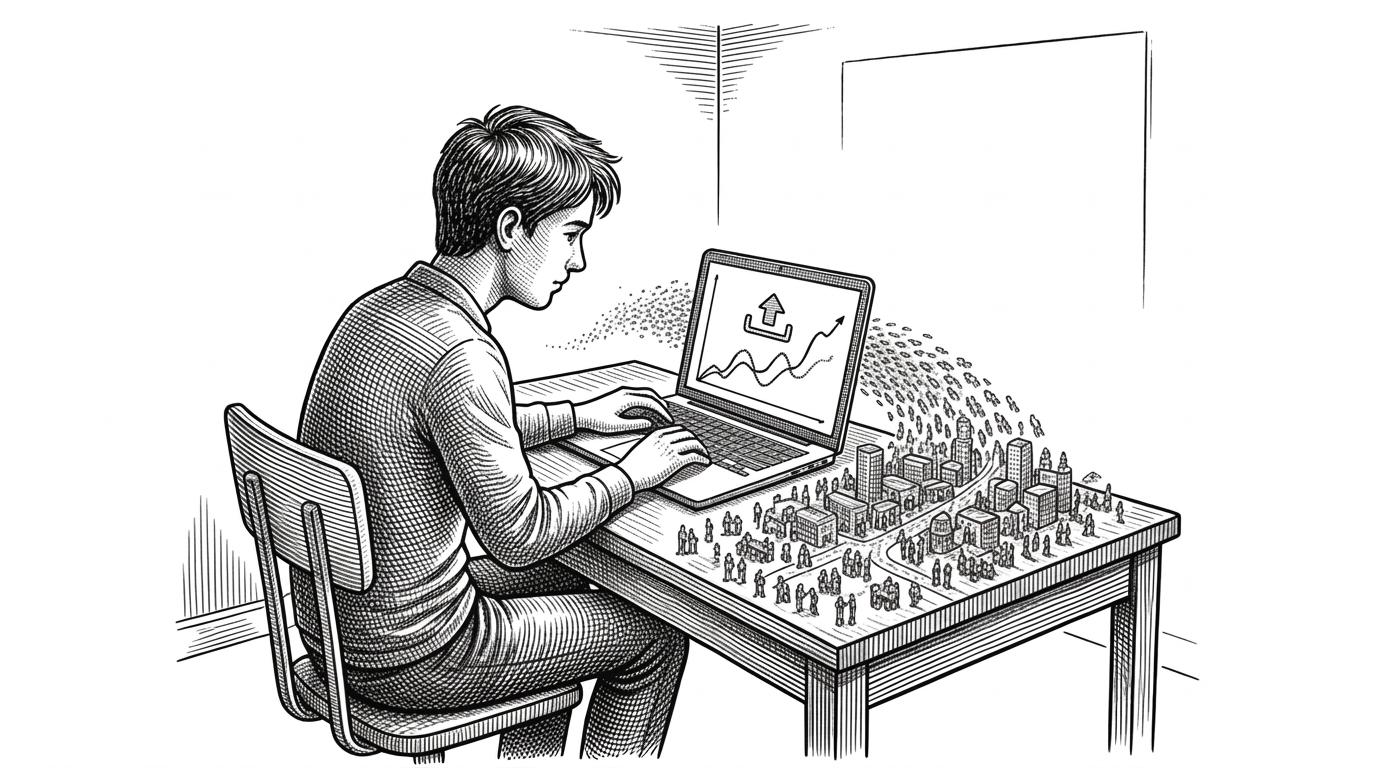
- A college senior built MiroFish in ten days by productizing OASIS research into a full-stack swarm intelligence simulator.
- MiroFish creates persistent digital societies where thousands of agents with long-term graph memory exhibit believable emergent behavior.
- Users interact with the simulation in God-mode by injecting events, chatting with individual agents, or requesting predictive reports.
- The project proves one skilled developer using AI coding tools can rapidly turn academic prototypes into investor-backed tools.
From Anxious Intern to CEO in Months
BaiFu, the GitHub handle of Guo Hangjiang, was a senior undergraduate when he built BettaFish, a multi-agent public opinion analysis tool, in roughly ten days. That project topped GitHub trending and caught the eye of Chen Tianqiao, founder of Shanda Group.
Within 24 hours of seeing a demo video, Chen invested 30 million RMB, about $4 million. Guo went from anxious intern to CEO of an incubated startup. MiroFish followed the same accelerated path: another ten days of intense development, another trending explosion with 24.7k stars and 2.8k forks in months.[1][2]

“The technical level of BettaFish is not particularly outstanding. However, what Shanda valued was BaiFu’s complete planning of the entire process from data collection, analysis to prediction... and his ability to identify and define real and valuable problems and try to solve them in new AI-based ways.”
A Parallel Digital World You Can Actually Talk To
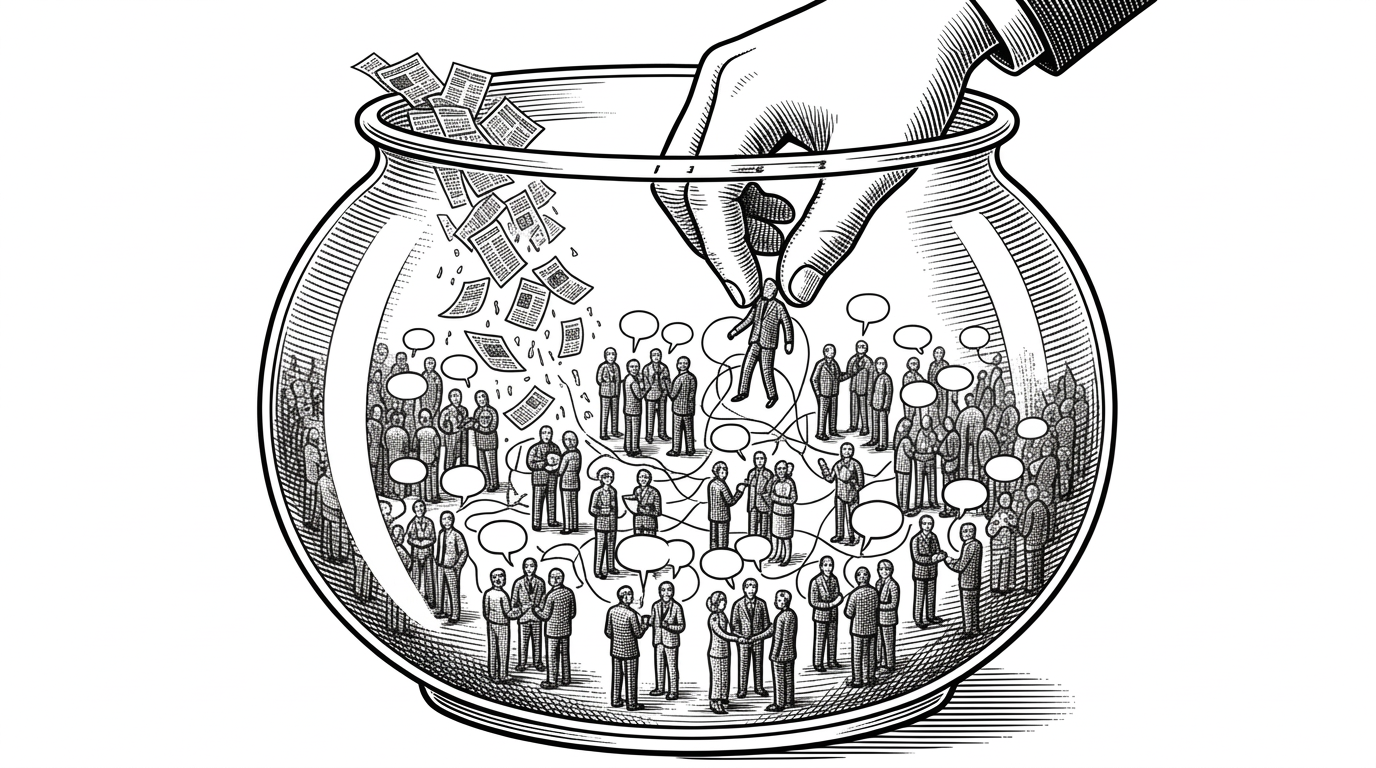
MiroFish takes seed material — a news article, policy draft, financial report, or even a classic novel like Dream of the Red Chamber — and turns it into a living simulation. Thousands of agents, each with distinct personalities and long-term memory, interact, form relationships, and exhibit emergent behavior.
Users watch from a God-mode perspective. They can inject new variables, chat with any individual agent, query the specialized ReportAgent for analysis, or generate detailed prediction reports. The same engine handles serious forecasting for public opinion or markets and creative exercises such as completing lost literary endings.
The 5-Stage Pipeline That Makes It Work
The system follows a clean five-step pipeline. First it builds a knowledge graph from seed material using GraphRAG techniques. Then it sets up the environment, generating agent personas, ontologies, and relationships inspired by the OASIS framework from CAMEL-AI.
Next comes parallel simulation managed by dedicated services that update memory continuously. A ReportAgent then analyzes outcomes. Finally, deep interaction mode lets users converse with the world or specific agents. The architecture uses FastAPI, Zep for memory, and IPC for handling long-running parallel workloads.
Memory Is the Real Innovation
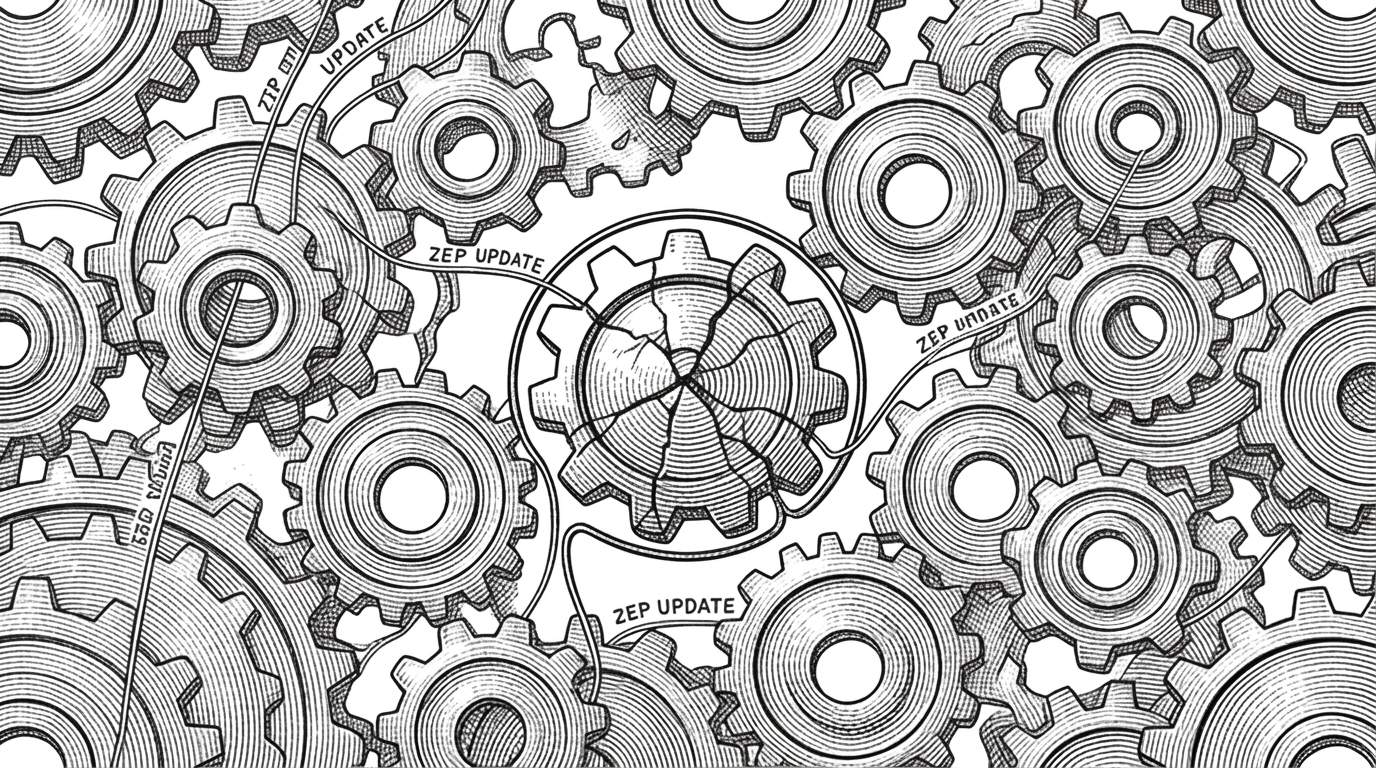
Most agent simulations suffer from short context and forgetfulness. MiroFish makes persistent graph memory the foundation. Zep stores entity relationships and events, with dedicated updater services that continuously incorporate new interactions into the collective knowledge graph.
This creates believable long-running societies where past events influence future behavior in coherent ways. Agents remember who they met, what policies affected them, and how opinions shifted. The result feels less like scripted theater and more like an actual parallel world.
Built in 10 Days on the Shoulders of Giants (and AI)
The stack is pragmatic: Python backend with FastAPI and uv for dependency management, Vue 3 frontend providing a polished step-by-step wizard, Docker for easy deployment. The simulation core leans heavily on CAMEL-AI's OASIS while adding a robust service layer for graph building, memory management, and reporting.
Guo credits "vibe coding" with tools like Claude and Cursor for the velocity. He brought years of accumulated knowledge in agents, graphs, and full-stack development, then let AI accelerate integration and polishing. The result is unusually clean for something built so quickly, with clear separation between API, services, and models.
"MiroFish is committed to building a swarm intelligence mirror that maps reality, capturing the group emergence triggered by individual interactions to break through the limitations of traditional prediction."
How MiroFish Compares
MiroFish sits at the intersection of research prototypes and practical tools. It inherits scale ambitions from OASIS but adds a full-stack interface, persistent Zep memory, and real-world seed ingestion focused on prediction.
| Project | Scale | Core Strength | Memory Approach | Primary Use Case | Accessibility |
|---|---|---|---|---|---|
| MiroFish | Thousands of agents | Predictive simulation + deep interaction | Zep graph memory with continuous updates | Forecasting, policy testing, creative storytelling | Full Vue wizard + Docker |
| camel-ai/oasis | Up to 1M agents | Macro social dynamics | Limited or session-based | Social media simulation research | Research code |
| Generative Agents (Smallville) | Dozens of agents | Believable daily life emergence | Reflection + planning streams | Academic demonstration | Reference implementation |
| ai-town | Small towns | Interactive character worlds | Short-term conversation memory | Deployable social demos | Starter kit |
| Swarms / MetaGPT | Variable | Task orchestration | Workflow state | Production agent workflows | Framework |
What It Means
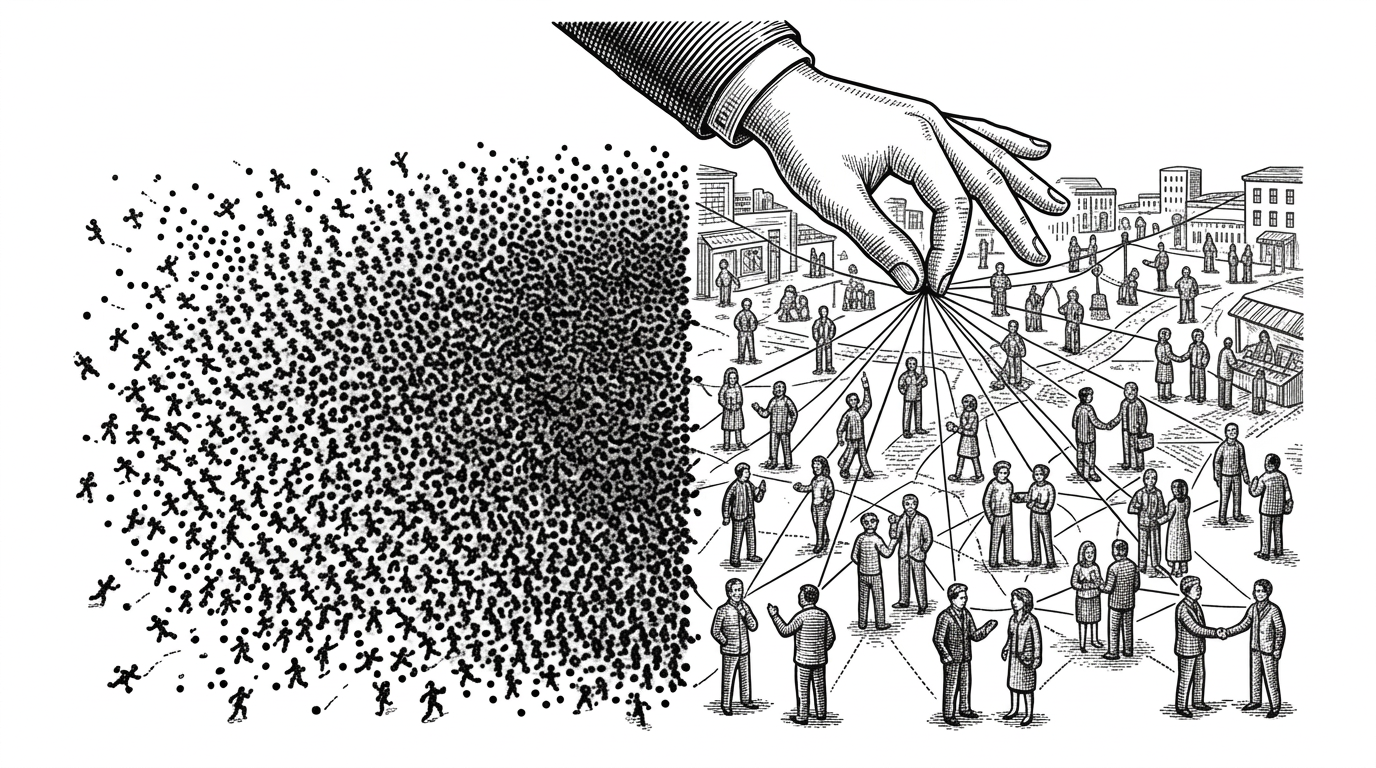
MiroFish demonstrates a new development mode. One talented individual, leveraging deep domain knowledge and modern AI coding tools, can productize sophisticated research into something polished, accessible, and immediately useful. The "super individual" is no longer theoretical.
More importantly, it suggests simulation with believable collective memory may become a powerful new interface for understanding complex systems. Whether forecasting market reactions, testing policies, or exploring fictional worlds, the ability to rehearse outcomes in a living digital society changes how we approach prediction and creativity.
The project remains young. Questions of validation, calibration, and ethical use remain open. Yet its rapid rise and the investment it attracted show that the appetite for these tools is real.