OpenClaw: The Lobster That Ate GitHub
How a meme weekend hack became the fastest-growing open-source AI agent, survived security firestorms, and forced its creator to join OpenAI while keeping the project fiercely independent.
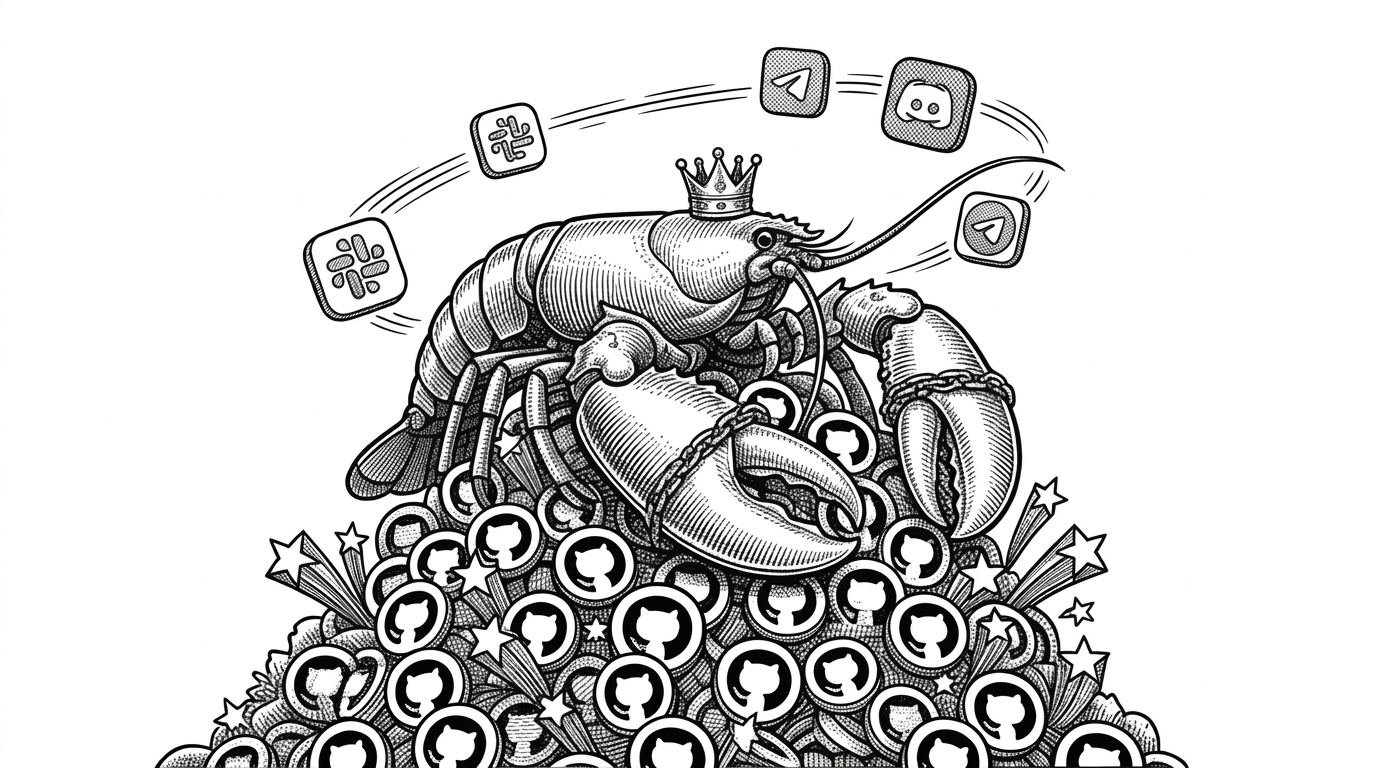
- A weekend WhatsApp hack evolved into OpenClaw, one of GitHub's fastest-growing projects with 313k stars.
- OpenClaw functions as a persistent local-first proxy that lets users control their digital life through familiar messaging apps.
- The project survived severe security vulnerabilities by implementing a strict Gateway, sandboxing, and explicit pairing model.
- Its absurd lobster mascot proved that playful branding can make ambitious personal AI agents emotionally accessible and widely adopted.
The Lobster That Ate GitHub
In late 2025 a weekend WhatsApp relay hack exploded into one of the fastest growing open source projects in GitHub history. Within months it amassed over 313,000 stars. The project’s visual identity centered on an absurdly persistent lobster mascot and the rallying cry “EXFOLIATE! EXFOLIATE!”
The aesthetic should have been fatal. Instead it became the perfect Trojan horse for something far more ambitious: a local-first, multi-channel personal AI agent that treats your entire digital life as its domain.
From Weekend Hack to OpenAI
Peter Steinberger built the original prototype in a weekend. The former founder of PSPDFKit, a respected PDF toolkit company, had no intention of creating the next big thing in AI agents. He simply wanted a better way to interact with Claude through WhatsApp.

“Your assistant. Your machine. Your rules.”
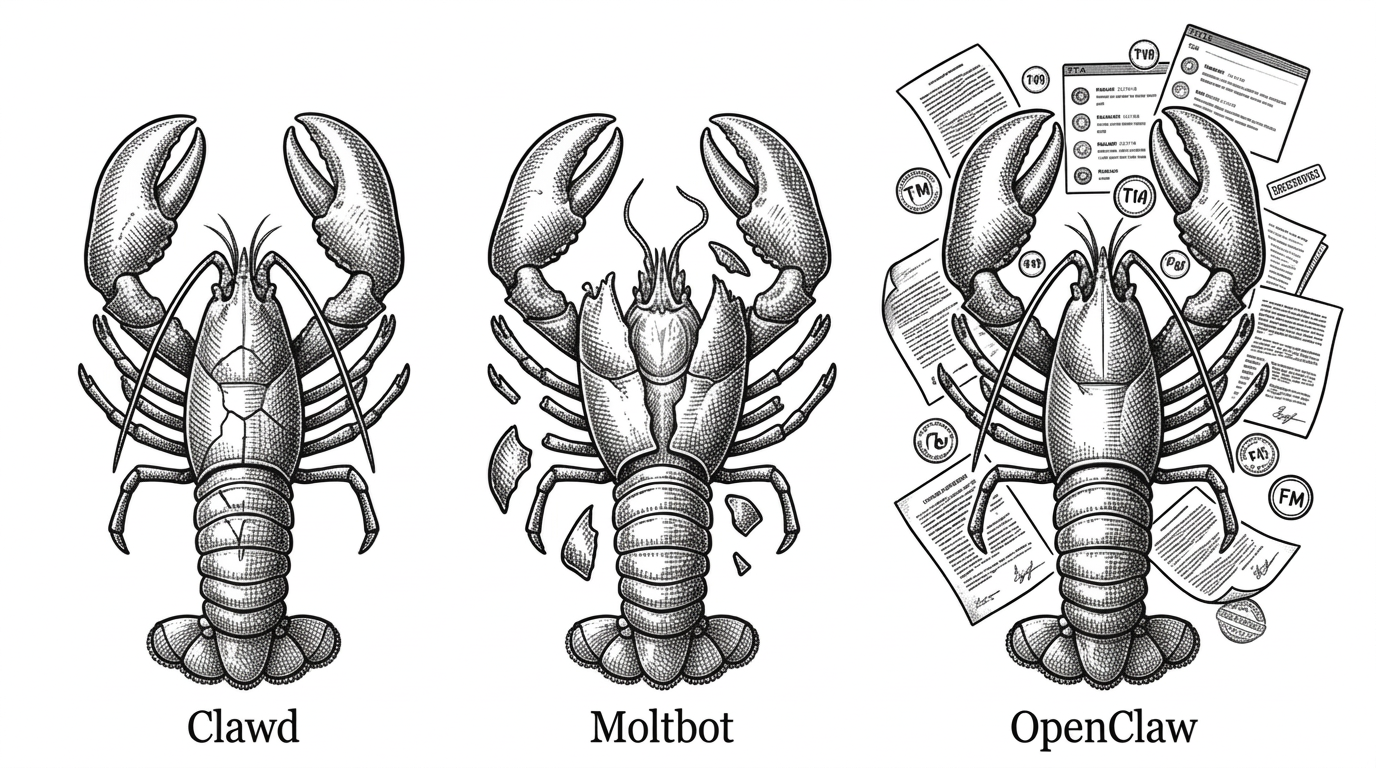
The project launched as Clawdbot, quickly renamed to Moltbot after a naming clash with Anthropic, and finally settled on OpenClaw in January 2026. Steinberger has since joined OpenAI to work on agents. The project itself spun out to an independent foundation while remaining fully open source under the MIT license.
Your Assistant. Your Machine. Your Rules.
OpenClaw is not another chatbot. It is a persistent proxy that sits between you and more than twenty messaging platforms. You talk to it through WhatsApp, Telegram, iMessage, Slack, Discord, Signal, or Matrix. The assistant maintains long-term memory in SQLite, executes tools on your behalf, renders live interfaces via Canvas, and supports voice interaction on supported platforms.
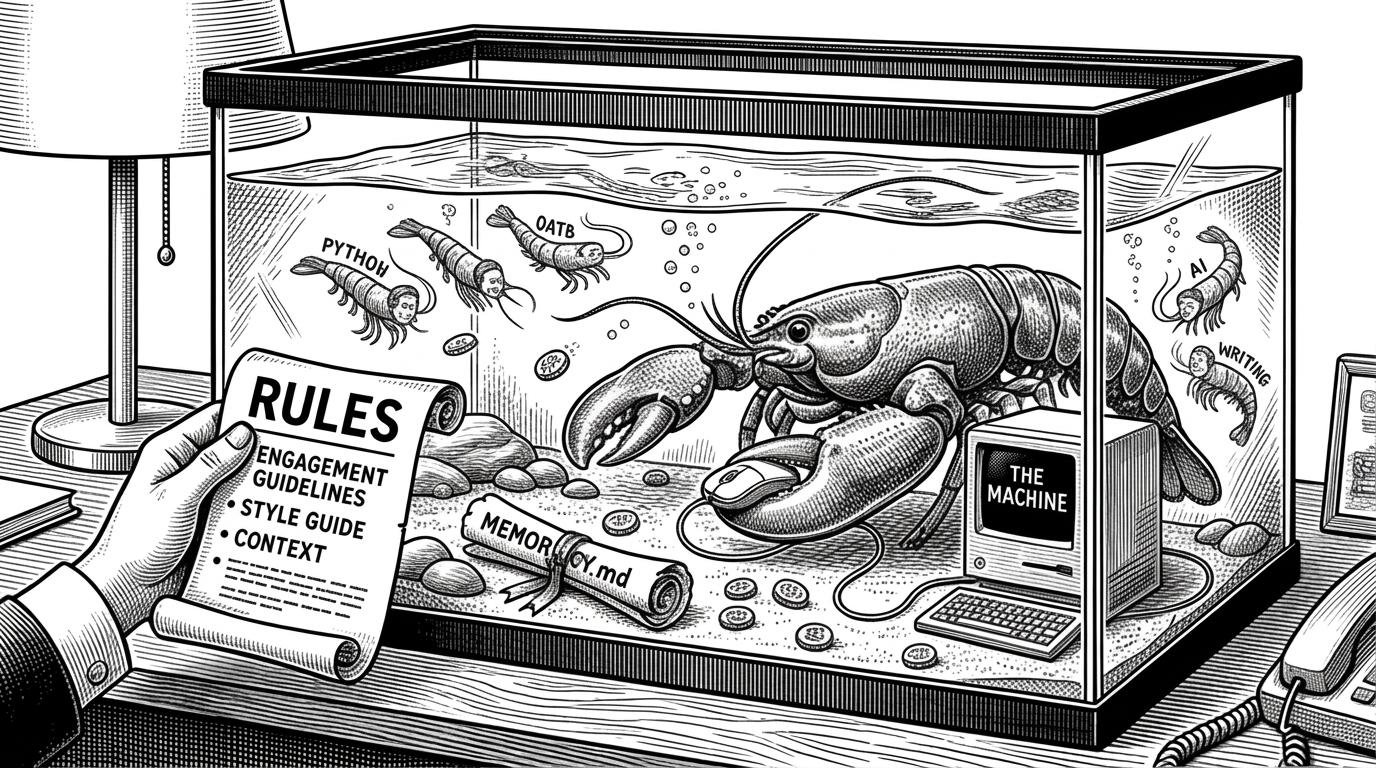
Users report booking appointments, managing calendars, monitoring servers, executing crypto trades, and even conducting code interviews entirely through chat. The lobster lives in your machine. You set the rules.
The Gateway and the Swarm
At the center of OpenClaw sits a single always-on Gateway. This TypeScript control plane routes messages from dozens of channels to specialized agents, coordinates platform-specific Nodes, and enforces security boundaries.
The architecture supports multi-agent routing based on channel, account, and peer. Platform Nodes provide deep OS integration including voice wake words via the substantial Swabble Swift package, camera access, notifications, and location services. Tools run either directly on host or in Docker containers depending on session type.
The Security Reckoning
The project’s enormous surface area invited intense scrutiny. Early versions contained high-severity remote code execution vulnerabilities. Critics labeled it “the most dangerous AI project on GitHub.” Hundreds of ClawHub skills were flagged as potentially malicious.
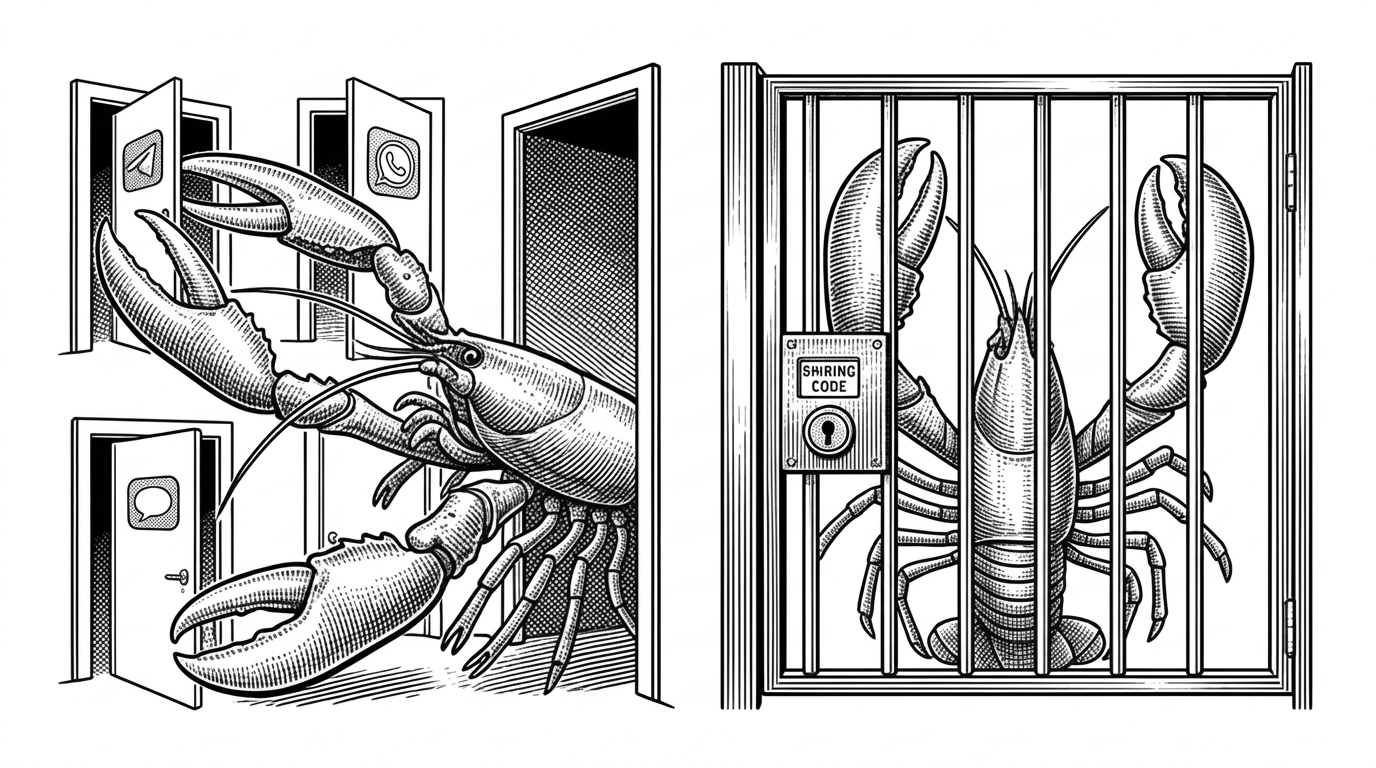
The team responded with over thirty security commits, formal threat models, improved sandboxing, and a strict DM pairing policy. Unknown senders now require explicit pairing codes. The project now treats all inbound messages as untrusted by default.
“This is either brilliant or hubristic. Probably both.”
The Rust Counter-Revolution
OpenClaw’s success triggered a wave of leaner reimplementations written in Rust. These projects optimize for minimal resource usage, memory safety, and stronger sandboxing.
| Project | Language | Binary Size | Idle RAM | Cold Start | Sandbox | Ecosystem | Wins On |
|---|---|---|---|---|---|---|---|
| OpenClaw | TypeScript + Native | >100 MB | >1 GB | Seconds | Docker | Very Large | Ease of use, channels, skills marketplace |
| ZeroClaw | Rust | 8.8 MB | <5 MB | <10 ms | Strong | Growing | Resource efficiency, low-cost hardware |
| IronClaw | Rust | ~15 MB | ~25 MB | <50 ms | WASM | Medium | Memory safety, privacy |
| OpenFang | Rust | 32 MB | ~40 MB | 180 ms | 16 layers | Medium | Autonomy, auditability |
What the Lobster Teaches Us
The lobster succeeded because it made a complex technical vision emotionally accessible. The meme was never incidental. It created permission for serious engineering wrapped in delightful branding.
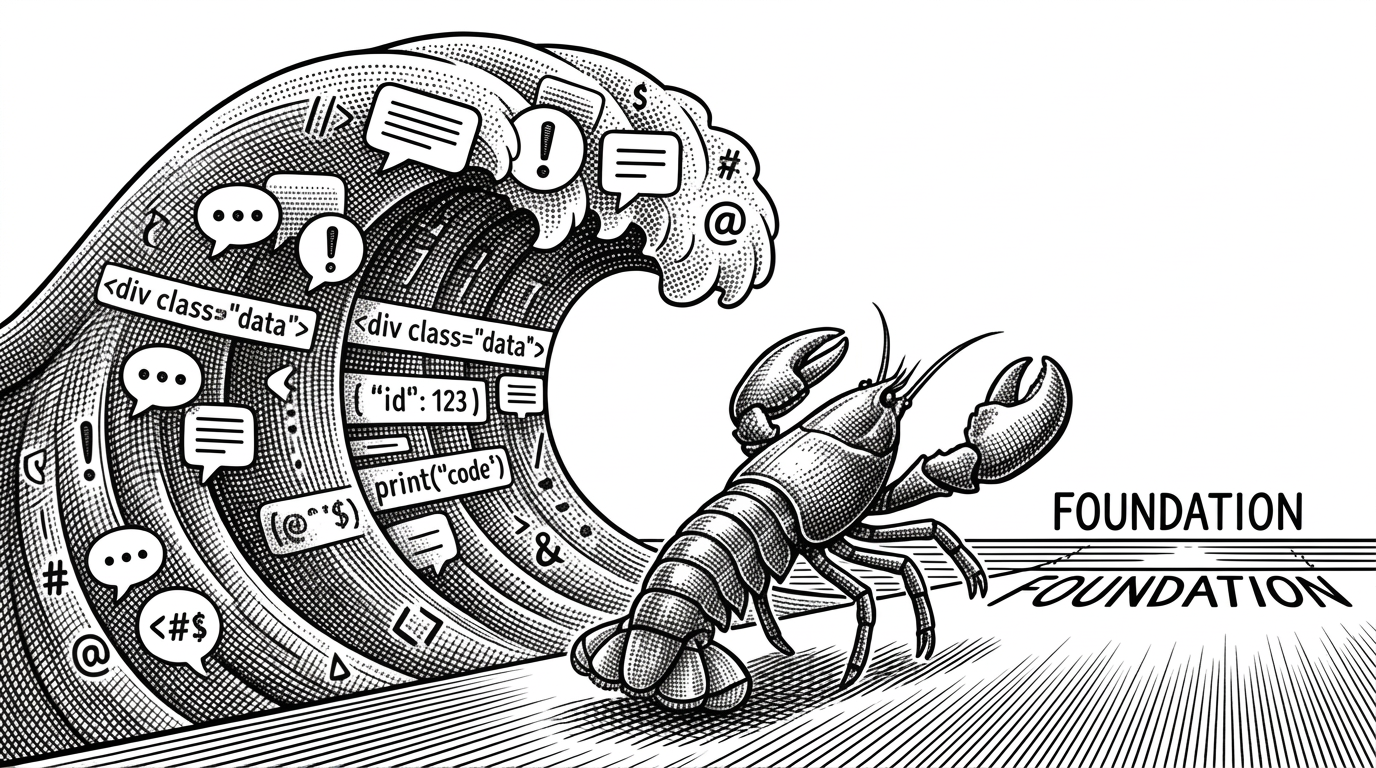
OpenClaw demonstrates that personal computing in the agent era may be defined less by new interfaces and more by deep integration into the communication channels we already live inside. It also shows the genuine risks of giving large language models hands across your digital life.
The tension between viral delight, genuine productivity, and serious security trade-offs will define the next decade of personal AI. The lobster taught us that sometimes the silliest wrapper makes the most serious ideas stick.